
In the complex world of global shipping, Tractor Trailers play a vital role. Renowned logistics expert Dr. Amy Collins states, “Tractor Trailers are the backbone of freight transportation.” Without these vehicles, the supply chain would collapse. They connect manufacturers, suppliers, and consumers, making deliveries possible.
Tractor Trailers are essential for transporting goods across long distances. They navigate highways, delivering products efficiently. In the United States, over 70% of freight is moved by trucks. This reliance showcases the importance of Tractor Trailers. Despite this, challenges exist. Drivers face fatigue, and maintenance can be costly. These factors raise questions about sustainability and efficiency in the industry.
The relevance of Tractor Trailers extends globally. They facilitate trade, influencing economies. However, issues like traffic congestion and emissions require attention. As the shipping industry evolves, so must the technology behind these vehicles. Balancing efficiency with environmental responsibility is crucial for future growth.
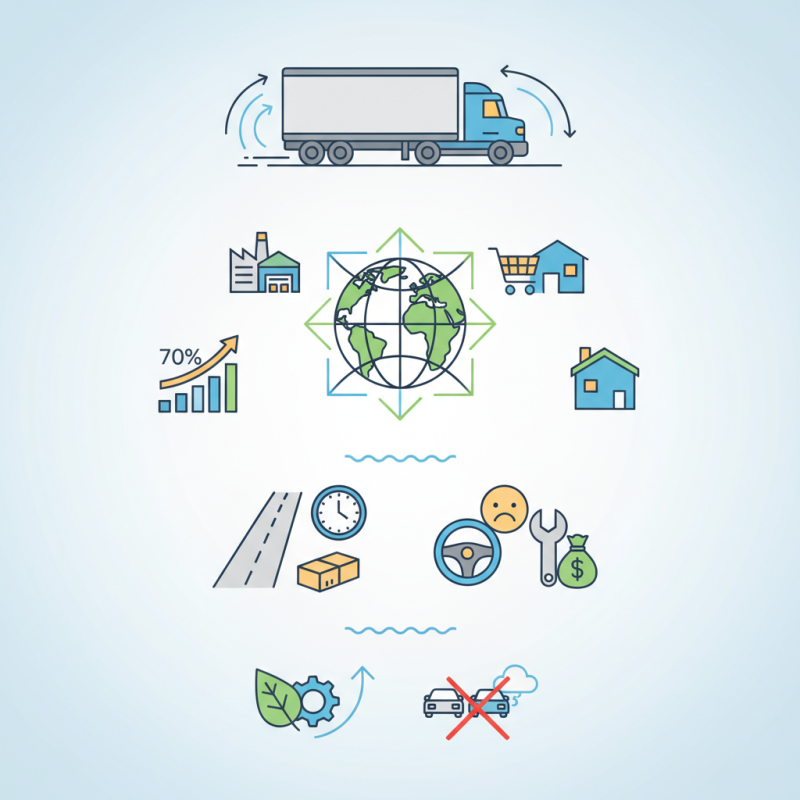
Tractor trailers play a crucial role in supply chain management, linking various segments of the logistics network. According to the American Trucking Associations, trucks move over 70% of all freight in the United States. This statistic highlights the reliance on road transport to facilitate the movement of goods efficiently. Without tractor trailers, the supply chain would face significant delays, increasing costs and reducing availability for consumers.
These vehicles are essential for delivering products from manufacturers to distribution centers. They bridge the gap between sea and rail transport systems. In fact, reports indicate that long-haul trucking contributes $732 billion to the U.S. economy annually. This staggering amount showcases the importance of tractor trailers in ensuring timely delivery of essential goods. However, challenges remain. Traffic congestion, fuel prices, and a growing driver shortage pose threats to this segment of the supply chain.
In recognizing these challenges, the industry needs innovative solutions. Emphasizing driver training and retention strategies can combat the labor shortage. Investments in technology can help optimize routes and enhance fuel efficiency. While tractor trailers are indispensable, the ongoing issues within this sector require immediate attention for sustained global shipping success.
Tractor trailers play a vital role in transporting various goods worldwide. They are the backbone of the logistics industry. Many essential items are moved by these large vehicles, from food products to electronics. For example, fresh produce often travels long distances in temperature-controlled trailers. This ensures that fruits and vegetables arrive fresh and safe to consumers.
In addition to food, tractor trailers often carry raw materials. These include metals, plastics, and timber. Such materials are crucial for manufacturing industries. Transporting these heavy loads requires reliable vehicles and experienced drivers. This creates a unique challenge for logistics companies. They must maintain standards to avoid delays or losses.
Interestingly, not all loads are straightforward. Some goods have special handling needs. Hazardous materials, for instance, require adherence to strict regulations. Drivers must be well-trained to manage such cargo. This highlights the complexity and responsibility of transporting various goods by truck. While tractor trailers are efficient, constant vigilance is necessary to ensure safety and compliance.
Tractor trailers play a vital role in global shipping logistics. They provide a flexible solution for moving goods over long distances. This flexibility is crucial in meeting the varying demands of different markets. With a combination of power and efficiency, tractor trailers can transport large volumes of cargo. This capability is essential as businesses strive to minimize delivery times.
A major advantage is their road accessibility. Unlike rail or air shipping, trucks can reach remote locations directly. This reduces handling and transit times. For shipments requiring expedited delivery, tractor trailers can often provide a faster service. However, relying solely on road transport has its challenges. Traffic congestion and road conditions can impact delivery schedules. It’s essential for logistics managers to factor these variables into their planning.
Moreover, tractor trailers offer diverse loading options. Flatbeds, refrigerated units, and tankers cater to various cargo types. This adaptability enhances the shipping process. Yet, the industry's reliance on trucks raises environmental concerns. Finding a balance between efficiency and sustainability remains an ongoing challenge. As logistics evolves, so must our approach to using tractor trailers in shipping.
The tractor trailer industry plays a pivotal role in global shipping. Yet, it faces numerous challenges. One major issue is the shortage of qualified drivers. Many truckers are retiring, and fewer young people are entering the field. This creates a gap that affects the entire supply chain. Without enough drivers, goods cannot be delivered on time.
Another pressing challenge is the rising cost of fuel. Fluctuations in oil prices significantly impact operational expenses. Trucking companies often struggle to maintain profit margins while trying to pass costs onto consumers. The industry is also grappling with stricter environmental regulations. Compliance with these regulations often leads to costly upgrades and modifications.
Additionally, equipment maintenance is an ongoing concern. Breakdowns can cause delays and increase costs. Many companies do not have the budget for regular maintenance. This neglect can lead to accidents or more significant issues down the line. Finding the balance between cost-saving and ensuring safety remains a difficult task.
The future of tractor trailer usage in global shipping appears promising, driven by technological advancements. Automated systems are gaining traction, influencing how these vehicles operate. Self-driving technology can enhance efficiency but raises safety concerns. Companies are experimenting with electric models to reduce emissions. This shift is necessary for sustainability but requires significant infrastructure changes.
Efficiency is also boosted by data analytics. Intelligent logistics systems can optimize routes, saving time and fuel. Yet, reliance on technology could lead to potential issues, like system failures. It’s crucial to strike a balance between innovation and reliability in operations. Not every fleet is ready to adopt these changes immediately.
Consumer demands are evolving, too. People expect faster delivery and greater transparency in shipping processes. This shift compels companies to rethink their practices. While many are adapting, some may struggle with high operational costs. That can create disparities in the industry. Embracing both progress and the challenges ahead will define the future of tractor trailers in global shipping.
| Dimension | Current Value | Future Projection (2025) |
|---|---|---|
| Global Freight Volume (Billion Tons) | 11 | 14 |
| Percentage of Goods Transported by Truck (%) | 70 | 75 |
| Number of Active Tractor Trailers (Million) | 3.5 | 4.5 |
| Average Age of Tractor Trailers (Years) | 8 | 6 |
| Electric Tractor Trailers (% of Fleet) | 5 | 25 |
| Reduction in Emissions (%) | 10 | 30 |
: Tractor trailers transport a wide range of goods, including food, electronics, raw materials, and hazardous materials.
Temperature-controlled trailers ensure fruits and vegetables remain fresh and safe during long-distance travel.
Maintaining delivery schedules and avoiding losses are constant challenges due to the complexity of handling various goods.
Fewer qualified drivers lead to delivery delays, impacting the entire supply chain.
Rising fuel costs significantly increase operational expenses, affecting profit margins and consumer prices.
Neglected maintenance can cause breakdowns, leading to costly delays and potential accidents.
Drivers need specialized training to handle hazardous materials and must adhere to strict regulations for safety.
Compliance costs for environmental regulations can lead to expensive upgrades for trucking companies.
Yes, finding this balance is difficult, and neglecting safety can result in severe consequences.
Certain goods may require special handling, additional training, or specific vehicles to ensure proper transport conditions.
Tractor trailers play a crucial role in the global shipping industry, forming a vital link in supply chain management. They are instrumental in transporting a wide variety of goods, from consumer products to industrial materials, ensuring that items reach their destinations efficiently. The use of tractor trailers offers numerous advantages, including flexibility, the ability to handle diverse cargo types, and cost-effectiveness, making them a preferred choice for many logistics providers.
However, the tractor trailer industry also faces several challenges, such as rising fuel costs, regulatory changes, and the need for sustainable practices. Looking ahead, future trends suggest a shift towards more innovative technologies and practices within the tractor trailer sector, including the integration of automation and alternative fuel sources to enhance efficiency and reduce environmental impact. As global shipping continues to evolve, tractor trailers will remain essential to meet the ever-growing demands of the supply chain.

Shodailer