
Choosing the right Semi Trailer can shape your operating costs, delivery speed, and daily safety. It is not simply a decision about length, price, or appearance. The best choice matches your cargo, routes, loading equipment, and expected workload.
A refrigerated trailer may suit fresh produce, while a flatbed can handle steel beams, machinery, or construction materials. Dry vans protect boxed goods from rain, dust, and temperature changes. Consider payload capacity carefully. A trailer that looks spacious may still become inefficient when axle limits, cargo weight, or loading height are included.
Think about your real routes.
Urban deliveries require different features than long highway trips. Tight loading yards may favor stronger maneuverability and practical door designs. Rough roads can expose weak suspension components, poor tires, and inadequate frame protection. Experienced fleet managers inspect these details before signing a purchase order.
A common mistake is choosing based on the lowest upfront cost. That decision can create higher repair bills, longer downtime, and lost deliveries later. I have seen buyers overlook maintenance access because a trailer looked impressive during inspection. That oversight matters.
Reliable selection also requires checking manufacturer specifications, warranty terms, service availability, and regional safety requirements. Speak with operators who use similar equipment every day. Their comments often reveal problems that brochures do not mention.
No trailer is perfect.
Your decision should balance present needs with realistic business growth. The following guide explains the main trailer types, essential specifications, ownership costs, and practical inspection points. It also highlights areas worth questioning before purchase, because a confident decision should be based on evidence rather than assumptions.
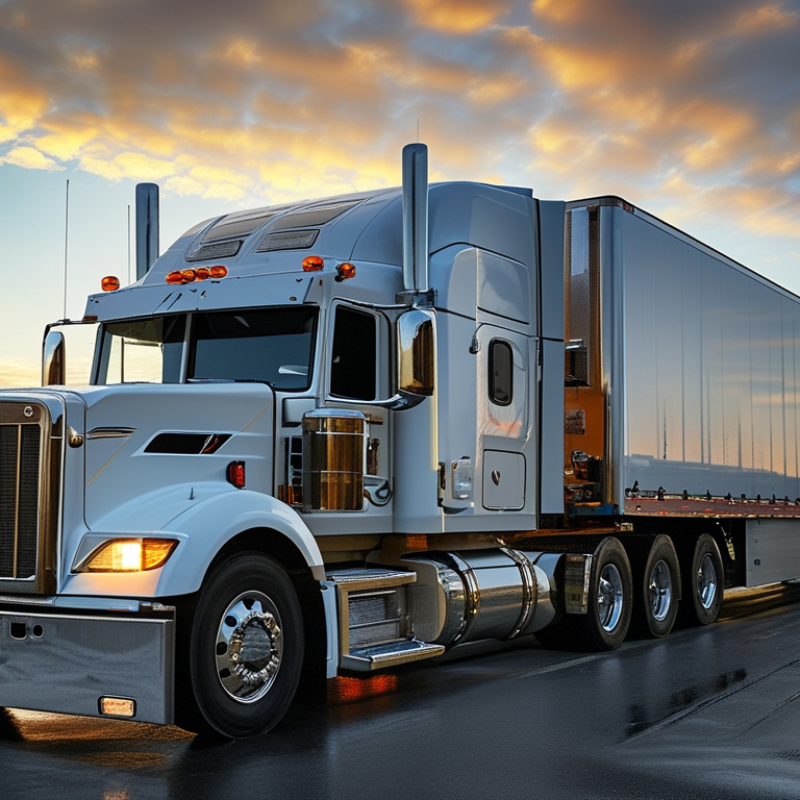
How to Choose the Right Semi Trailer for Your Business?
Business Needs and Semi Trailer Requirements
Your business needs should guide every semi-trailer decision. Start with the cargo, route, and loading method. A dry van suits boxed goods and weather-sensitive freight. A flatbed works better for steel, timber, or oversized equipment. Refrigerated cargo requires controlled temperatures and dependable insulation.
Know the numbers.
Record your average payload, cargo dimensions, and weekly mileage. A trailer rated for 20 tons may not fit every route safely. Axle limits, turning space, bridge heights, and loading docks also affect the correct specification. Measure the cargo before choosing interior length or door placement. Small mistakes become expensive when loading starts at 6 a.m.
Road conditions matter. Smooth highways place different demands on suspension than rough industrial roads. Air suspension can help protect delicate freight, while reinforced flooring supports repeated forklift use. Check tire access, brake components, lighting, and corrosion protection. These details influence downtime more than appearance.
Maintenance records provide practical evidence. Ask about service intervals, inspection access, and replacement-part availability. A cheaper trailer can cost more when repairs interrupt scheduled deliveries. I have seen operators focus on purchase price and overlook cleaning time, loading delays, and unused capacity. That judgment is understandable, but incomplete. A careful comparison should include operating costs, driver feedback, and local transport requirements. The best choice is the one that matches real work, not an idealized spreadsheet.
Choosing the right semi-trailer starts with the cargo, route, and loading process. A dry van suits boxed goods, packaged materials, and general freight. It protects loads from rain, dust, and road debris. A refrigerated trailer serves temperature-sensitive food and medical supplies. It needs reliable insulation and consistent temperature monitoring.
A flatbed works well for steel beams, timber, machinery, and oversized materials. Side access makes loading faster, but the cargo needs proper restraints and weather planning. A lowboy trailer is better for heavy construction equipment because its lower deck reduces overall height. Tank trailers can transport approved liquid products, but their capacity, cleaning requirements, and safety equipment demand careful management. Trailer choice should also match local weight limits, road conditions, and available loading docks.
Tips: Measure the cargo before choosing the trailer. Check length, width, height, and total weight. Leave practical clearance around the load. Review axle ratings, suspension type, brakes, and tire condition. During inspections, look for uneven tire wear, cracked welds, damaged lights, and air leaks. I have seen operators focus on payload while overlooking loading time. That mistake can increase labor costs every week. A trailer may look suitable on paper, yet poor access or weak temperature control can disrupt daily operations. When uncertain, compare real route data with the trailer’s specifications and ask a qualified equipment inspector to verify the setup.
A semi trailer should match the work, not merely the tractor parked in your yard. Start with the heaviest payload you regularly carry. Then add a sensible margin for uneven loading and seasonal changes. A trailer rated for 30 tonnes is not automatically suitable for every 30-tonne shipment. Axle limits, deck strength, suspension type, and cargo distribution affect safe performance. Check the manufacturer’s load chart, not just the headline capacity.
Dimensions require equal attention. Measure cargo length, width, height, and access points before purchasing. Remember door frames, loading ramps, turning space, and overhead clearance. A few extra centimeters can change a smooth delivery into a costly delay. Internal dimensions matter most, but external width and turning radius matter on real roads. Draw the loading plan. It exposes problems early.
Compatibility includes kingpin height, coupling equipment, axle spacing, braking systems, electrical connections, and tractor clearance. Have a qualified technician inspect both units together. During fleet checks, I have seen a trailer fit the coupling yet create poor weight balance after loading. That mistake was avoidable. I should have reviewed the actual cargo pattern sooner. Ask suppliers for verified specifications, inspection records, and maintenance guidance. Leave room for future cargo changes, because today’s perfect trailer may become restrictive next year. Recheck the numbers before signing.
Choosing a semi trailer begins with construction quality, not appearance. Inspect the frame, crossmembers, welds, suspension mounts, and floor thickness. Uneven welds or fresh paint may hide earlier repairs. A trailer carrying masonry blocks needs different reinforcement than one moving packaged goods. Match the trailer’s load rating to your real operating conditions, including weight distribution and road surfaces.
Safety features deserve practical attention. Check brake performance, tire condition, reflective markings, lighting, guards, and emergency connections. Anti-lock braking systems can improve control, but they cannot correct poor loading. Securement points should be accessible and rated for the loads you carry. Ask for inspection records, maintenance history, and material certificates when available. In practice, paperwork is sometimes incomplete. That should slow the purchase, not be ignored.
Tips: Confirm the legal requirements where the trailer will operate. Rules may cover dimensions, axle loads, braking systems, lighting, coupling devices, and periodic inspections. Verify these details with the relevant transport authority or a qualified compliance professional. Never rely only on a seller’s statement. Take a measured walkaround with a technician, test the coupling, and photograph defects. I would also leave a maintenance budget for the first year. New equipment still needs adjustment, and that is easy to underestimate.
| Evaluation Dimension | Recommended Specification or Benchmark | Why It Matters to Your Business | Inspection or Selection Checklist | Relevant Legal or Technical Reference |
|---|---|---|---|---|
| Trailer Type | Flatbed for open or oversized freight; dry van for enclosed general cargo; refrigerated trailer for temperature-sensitive goods; dump trailer for loose bulk materials. | The body configuration directly affects cargo protection, loading speed, operating cost, and revenue opportunities. | Match the trailer to cargo dimensions, loading method, average payload, route conditions, and required temperature range. | Requirements vary by jurisdiction and cargo category; confirm local vehicle and transport regulations before purchase. |
| Frame and Chassis Quality | Use high-strength structural steel where appropriate, continuous welds at critical joints, reinforced cross-members, and corrosion-protected surfaces. | A rigid, well-protected chassis reduces fatigue cracking, downtime, and premature replacement costs. | Check weld uniformity, frame alignment, cross-member spacing, surface treatment, drainage points, and evidence of distortion or repairs. | Structural design should be supported by documented engineering calculations and applicable national vehicle standards. |
| Payload and Gross Weight | Select a rated payload that exceeds normal operating requirements without routinely approaching the legal gross combination limit. | Adequate capacity improves utilization while reducing overload penalties, tire wear, braking stress, and structural fatigue. | Verify the trailer’s tare weight, axle ratings, kingpin load, tire load capacity, and the legal limits on intended routes. | Weight limits are route- and jurisdiction-specific. In the United States, federal limits commonly include 20,000 lb for a single axle and 34,000 lb for a tandem axle on Interstate routes, subject to exceptions. |
| Axles and Suspension | Choose axle ratings and suspension type according to payload, road quality, maneuverability, and maintenance capability. Air suspension can improve ride control and cargo protection. | Correct axle distribution supports stability, tire life, cargo protection, and compliance with axle-weight regulations. | Inspect axle alignment, bushings, air bags or springs, torque arms, shock absorbers, ride height, and load-sharing performance. | Axle and suspension systems must meet the applicable national requirements for load distribution, braking, and road safety. |
| Braking System | Use a properly matched air-brake system with automatic slack adjustment where required, service brakes on all applicable axles, and an anti-lock braking system. | Effective braking reduces stopping distance, improves directional stability, and limits the risk of jackknifing or brake-related downtime. | Confirm brake compatibility with the tractor, inspect chambers and hoses, test ABS warning indicators, and document regular brake inspections. | United States: FMVSS 121 covers air-brake systems and FMVSS 136 covers electronic stability control for applicable heavy vehicles. UNECE Regulation No. 13 covers braking in many other markets. |
| Rear Impact Protection | Install a properly positioned rear underride guard with sufficient strength, clearance, and visible identification markings. | The guard helps reduce the likelihood of passenger-vehicle underride in a rear-end collision. | Check guard height, width, mounting points, damage, corrosion, conspicuity tape, and clearance from the road surface. | United States: FMVSS 223 and FMVSS 224 establish requirements for rear impact guards and rear impact protection. |
| Lighting and Visibility | Provide compliant tail lamps, stop lamps, turn signals, clearance lamps, side markers, reflectors, and conspicuity treatment. | Improved visibility lowers the risk of nighttime and low-visibility collisions and helps other road users judge trailer size and position. | Test all lamps, inspect wiring protection, clean lenses, verify reflector placement, and replace damaged conspicuity material. | United States: FMVSS 108 covers lamps, reflective devices, and associated equipment. Other regions may apply UNECE lighting regulations. |
| Tires and Wheels | Use tires with a load rating suitable for the axle and operating conditions, with matching wheel ratings and correct inflation pressure. | Proper tire selection improves fuel efficiency, handling, braking, and resistance to heat-related failure. | Inspect tread depth, sidewalls, valve stems, wheel fasteners, inflation pressure, uneven wear, and tire age or damage. | Tire and wheel requirements are governed by local safety rules and the load ratings marked on the tire and wheel assemblies. |
| Cargo Securement | Include rated anchor points, compatible straps or chains, stake pockets where needed, and a deck or interior system suited to the cargo. | Reliable securement prevents load shift, cargo damage, rollovers, and roadside enforcement actions. | Confirm anchor working load limits, inspect tie-down condition, distribute weight evenly, and secure doors, tarps, bulkheads, and dunnage. | United States: 49 CFR Part 393, Subpart I provides cargo-securement requirements; equivalent rules apply in other jurisdictions. |
| Dimensions and Road Access | Confirm length, width, height, turning radius, and rear overhang against the roads, terminals, loading docks, bridges, and tunnels used by the business. | A legally sized trailer avoids permit costs, route restrictions, delivery delays, and infrastructure clearance problems. | Measure the fully equipped trailer, including guards, lights, doors, lift equipment, suspension height, and any removable accessories. | In the United States, the general federal width limit for qualifying commercial motor vehicles on the National Network is 102 inches. Local exceptions and height or length limits may apply. |
| Kingpin and Coupling Equipment | Select a compatible kingpin, upper coupler, landing gear, air lines, electrical connection, and fifth-wheel geometry for the tractor fleet. | Correct coupling reduces connection failures, uneven loading, premature wear, and compatibility-related downtime. | Check kingpin wear, locking-jaw engagement, coupler plate condition, landing-gear operation, hose routing, and electrical connector function. | Coupling components should meet applicable vehicle safety standards and the tractor manufacturer’s compatibility requirements. |
| Operational Safety Equipment | Consider side underride protection where required, non-slip access surfaces, grab handles, emergency equipment, reflective markings, and secure access steps. | These features reduce falls, roadside incidents, loading injuries, and visibility-related collisions. | Inspect steps, ladders, handholds, catwalks, guards, emergency exits where applicable, and reflective markings before each trip. | Required equipment depends on trailer type, operating country, cargo, and workplace-safety rules. |
| Maintenance and Total Cost of Ownership | Evaluate purchase price together with fuel impact, tire consumption, service intervals, parts availability, inspection labor, and expected service life. | A lower initial price may result in higher lifetime costs if repairs, downtime, or compliance failures are frequent. | Request service manuals, inspection schedules, parts information, warranty terms, repair history, and a pre-purchase condition report. | Keep inspection and maintenance records required by the operating jurisdiction and applicable commercial-vehicle regulations. |
| Documentation and Compliance | Obtain the vehicle identification record, rated capacities, axle data, brake information, lighting configuration, conformity documentation, and registration paperwork. | Complete documentation supports registration, insurance, audits, resale value, and faster maintenance decisions. | Verify identification numbers, weight ratings, certification labels, inspection status, ownership documents, and any modification approvals. | Legal standards differ by country, state, province, and route. Obtain written confirmation from the relevant transport authority before placing the trailer into service. |
Note: The legal references above are general examples for selection purposes. Always verify the current requirements for the trailer’s registration location, operating routes, cargo type, and intended gross vehicle weight.
Choosing a semi trailer starts with total cost, not the purchase quote. The American Trucking Research Institute reported average trucking costs of $2.27 per mile in 2022. That figure covers entire operations, not trailers alone. Still, it shows how small recurring expenses accumulate. Compare payload, fuel impact, tire wear, financing, insurance, and expected resale value. A lightweight trailer may cost more initially, yet carry more useful freight on repeated routes.
Maintenance deserves close attention. The Commercial Vehicle Safety Alliance reported a 23.3% out-of-service rate during its 2024 International Roadcheck. Brake defects and lighting problems remained common inspection concerns. Ask suppliers for service intervals, parts lead times, warranty exclusions, and repair histories. Check the brake chambers, suspension mounts, wiring, and floor after a demonstration inspection. A polished showroom unit can hide practical weaknesses. I would not trust a promise about “low maintenance” without documented fleet data.
Supplier evaluation should include response time and technical support. The Federal Highway Administration’s Freight Analysis Framework projects substantial freight growth through 2050. Your trailer may face more loading cycles than expected. Request references from fleets running similar distances and payloads. Review delivery records, recall communication, training, and mobile repair coverage. These figures are not trailer-specific, so they require careful interpretation. A cheaper quote can still become expensive when one missing part delays a loaded vehicle.
Match the trailer to your cargo, route, and loading method. Dry vans suit boxed goods and weather-sensitive freight. Flatbeds handle steel, timber, and oversized equipment. Refrigerated trailers need reliable insulation and temperature control.
Record cargo length, width, height, weight, and access points. Include door frames, ramps, turning space, and overhead clearance. Measure twice. A few centimeters can cause loading delays.
Not always. Check the load chart, axle limits, deck strength, suspension, and weight distribution. Add a sensible margin for uneven loading and seasonal changes. Headline capacity can mislead.
Check kingpin height, coupling equipment, axle spacing, brakes, electrical connections, and tractor clearance. Inspect both units together with a qualified technician. A coupling may fit while the loaded balance remains poor.
Strong crossmembers and reinforced flooring support repeated forklift use. Suitable suspension can protect delicate freight on uneven roads. Inspect tire access, brake components, lighting, and corrosion protection. Appearance is not enough.
Check brake performance, tire condition, reflective markings, lighting, guards, and emergency connections. Confirm accessible, rated securement points. Anti-lock braking helps control, but poor loading remains dangerous.
Request inspection records, maintenance history, service intervals, and replacement-part information. Material certificates may also help. Incomplete paperwork should slow the purchase. Do not ignore it.
Confirm local rules for dimensions, axle loads, brakes, lighting, coupling devices, and inspections. Ask a qualified compliance professional when details are unclear. Compare purchase price, repairs, cleaning time, loading delays, and unused capacity. I once focused too heavily on price. That judgment was incomplete.
Choosing the right Semi Trailer begins with a clear understanding of your business needs, including the type of cargo, delivery routes, loading methods, and operating conditions. Different trailer types are suited to different applications, such as general freight, temperature-sensitive goods, heavy equipment, or oversized loads. Before making a decision, compare load capacity, interior and exterior dimensions, axle configuration, towing compatibility, and loading access to ensure the trailer works efficiently with your existing vehicles and equipment.
Construction quality and safety should also be major priorities. Check the frame, suspension, braking system, tires, lighting, and cargo-securing equipment, while confirming that the trailer meets applicable transport and safety standards in your region. In addition to the purchase price, evaluate fuel efficiency, routine maintenance, repair accessibility, warranty coverage, parts availability, and the supplier’s service experience. A well-matched Semi Trailer can improve operational efficiency, protect cargo, reduce long-term costs, and support reliable business growth.

Shodailer