
How to Choose the Right Semi Trailer for Your Business Needs?

Time:2026-05-19 Author:Henry
0%

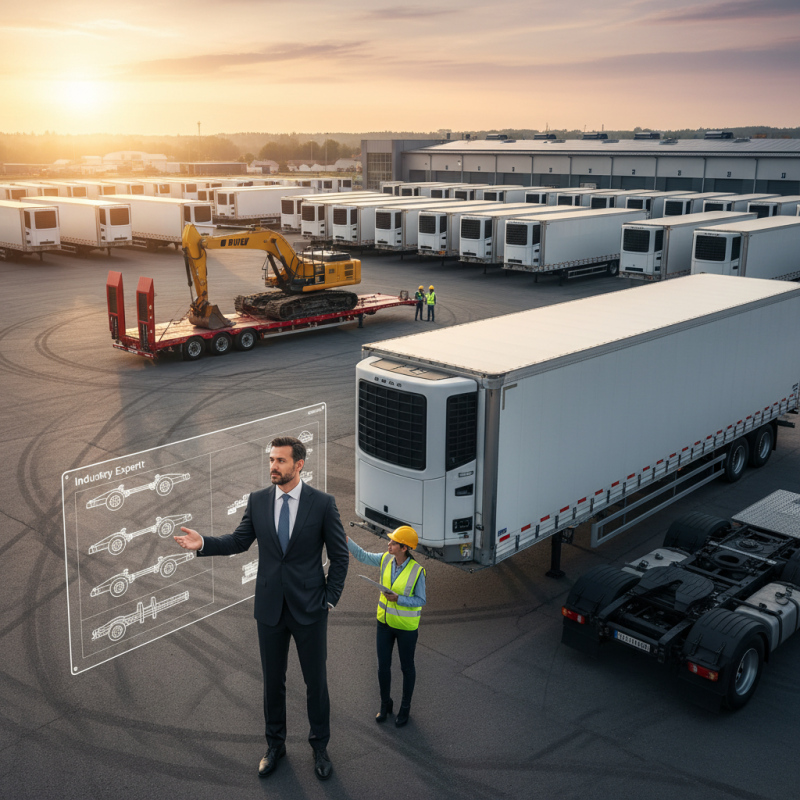
Choosing the right semi trailer for your business can be a daunting task. In an industry filled with various types and features, clarity is essential. Industry expert John Smith, a renowned logistics consultant, emphasizes, “Selecting the appropriate semi trailer can enhance efficiency and reduce costs.”

When evaluating options, consider factors like payload capacity and axle configuration. Each business has unique needs. For instance, refrigerated trailers are crucial for transporting perishables while flatbeds are ideal for heavy machinery. It's not just about the price; understanding the specific demands of your operations can lead to a better investment.

Ultimately, reflect on your priorities. Are you more focused on durability or fuel efficiency? Perhaps flexibility is key for seasonal demand. Identifying these elements will aid in making an informed choice in the semi trailer market. The right decision can transform your logistics strategy, streamlining your operations effectively.
How to Choose the Right Semi Trailer for Your Business Needs?

Understanding Your Business Requirements for a Semi Trailer

When selecting a semi trailer, it's crucial to understand your business needs. Think about the type of cargo you transport. Different materials require different designs. For instance, refrigerated goods need specialized trailers. You don’t want to choose a standard dry van for perishable items. A thorough assessment of your product is essential.

Consider your loading and unloading processes. Will your goods require side or rear loading? Analyze delivery schedules too. Frequent stops might require a lighter model for better maneuverability. Also, track your truck's hauling capacity. Overloading can lead to costly damages and safety issues. Reflect on your long-term strategy. Think about how your needs might evolve. Will you diversify the types of goods?

Lastly, budget constraints are always a factor. It’s easy to get tempted by high-end features, but assess what you truly need. A simple, reliable trailer can often serve you better than a complex model you seldom use. Take time to research and reflect on these points to avoid costly mistakes. Balancing quality and budget can be challenging, but it's vital for sustained success.

Different Types of Semi Trailers and Their Specific Uses

Choosing the right semi-trailer is essential for optimizing your business operations. Different types of semi-trailers are designed for specific tasks. Understanding these differences can enhance efficiency and cost-effectiveness.

Flatbed trailers are versatile. They allow for easy loading and unloading. They’re often used for transporting heavy machinery, construction materials, and oversized goods. According to industry reports, flatbed trailers account for about 29% of the trailer market, illustrating their popularity.

Dry van trailers are fully enclosed. They protect cargo from weather and theft. These are commonly used for shipping packaged goods. They represent approximately 35% of the market share. However, dry vans may limit the size of the cargo due to their enclosed nature.

When choosing a semi-trailer, consider cargo type and loading methods. Here are some tips:
  • Evaluate the weight and dimensions of your cargo.
  • Assess loading and unloading locations.
  • Factor in your route and transport regulations.

These details are crucial for selecting an appropriate trailer. A mismatched trailer can lead to operational inefficiencies. Remember to research and analyze your specific business needs thoroughly.

Evaluating Weight Capacity and Load Types for Your Operations

Evaluating the weight capacity of a semi-trailer is crucial for any business. You need to match the trailer's limits with your load requirements. Different materials weigh differently. For example, a load of steel requires a trailer with a higher capacity than a load of textiles. Ensure you calculate the total weight, including the trailer itself, to avoid overloading.

Load types also heavily influence your choice. Some trailers are designed for specific cargo. Flatbeds suit large, heavy items, while refrigerated trailers are best for perishable goods. Consider weather conditions and where you will transport the load. It might be worth investing in versatile models that can handle various types of loads, but remember, versatility sometimes comes with compromises. You may lose some optimal capacity for each load type.

Always reflect on past experiences with your existing equipment. What worked well? What didn’t? Analyzing these factors helps refine your choices. Each business has unique needs. Emphasize safety by ensuring the trailer meets all regulations. Making the right choice now can save costs and ensure smoother operations in the future.

Key Features to Consider When Selecting a Semi Trailer

Choosing the right semi-trailer is crucial for your business efficiency. There are several key features to consider during your selection process. Payload capacity is essential. Ensure that the trailer can handle the weight of your typical loads. This impacts your operational costs. A trailer with too low capacity can lead to frequent overloads.

Consider the trailer's length and width. A suitable size ensures compatibility with your freight. Measure both your loading docks and your hauling vehicles. Always aim to maximize space without compromising safety.

Tips: Evaluate the lift gate options. They can simplify loading and unloading processes. Think about the material as well. Aluminum is lighter but might be less durable than steel. Reflect on your business needs to avoid costly mistakes.

Safety features should never be overlooked. Ensure your semi-trailer is equipped with proper brakes and lights. This can prevent accidents and enhance reliability. Make a checklist of safety standards you need to meet. Regular maintenance is also vital. It helps prolong the lifespan of your equipment. Consider your budget carefully, as higher quality often means higher costs.

Budgeting and Financing Options for Purchasing a Semi Trailer

When purchasing a semi-trailer, budgeting is vital. Determine your maximum spend and consider all costs involved. Look beyond the sticker price. Maintenance, insurance, and fuel efficiency matters. Expenses can add up over time. A less expensive option now may become costly later.

Financing options vary significantly. Many buyers explore loans, leasing, or rental agreements. Each choice impacts cash flow differently. A loan might offer ownership but requires monthly commitments. Leasing may lower initial costs but won’t build equity. Explore the interest rates and terms available. These details affect your total expenditure significantly.

Reflecting on personal needs is critical too. Assess your business's cash flow and long-term goals. Revenue cycles can be unpredictable. Understand your financial landscape, as every decision carries weight. Balancing needs with budget constraints is challenging but necessary.

How to Choose the Right Semi Trailer for Your Business Needs? - Budgeting and Financing Options for Purchasing a Semi Trailer

Semi Trailer Type Load Capacity (lbs) Average Price ($) Financing Options Recommended Use
Flatbed Trailer 48,000 28,000 Bank Loan, Leasing Construction, Agriculture
Reefer Trailer 44,000 45,000 Loan, Rent-to-Own Food Transport, Pharmaceuticals
Dry Van Trailer 45,000 35,000 Finance Lease, Equipment Financing General Freight, E-commerce
Tanker Trailer 40,000 50,000 Equipment Lease, Credit Purchase Liquid Transport, Chemicals
Dump Trailer 14,000 30,000 Personal Financing, Buy Here Pay Here Construction, Landscaping

FAQS

: What should I consider when selecting a semi-trailer?

: Assess your business needs, cargo type, and loading processes.

How does weight capacity affect my choice?

Match the trailer's limits with your load. Avoid overloading to prevent damage.

Are there specific trailers for certain cargo?

Yes, flatbeds are for heavy items, while refrigerated trailers suit perishables.

Why is size important for a semi-trailer?

The right length and width ensure compatibility with your freight and loading docks.

What safety features should I prioritize?

Ensure proper brakes, lights, and adherence to safety standards for reliability.

How can I ensure I don’t overspend on features?

Reflect on your actual needs before opting for high-end models. Simple often works best.

Should I consider future business changes?

Yes, think about how your cargo needs may evolve over time and adapt accordingly.

How can past experiences influence my choice?

Analyze what has worked in the past and what hasn't to refine your selection.

What’s essential for loading and unloading?

Consider lift gates and loading type. They can simplify operations significantly.

Is maintenance important for semi-trailers?

Regular maintenance prolongs equipment life and ensures smooth operations.

Conclusion

When choosing the right semi trailer for your business needs, it's essential to first understand your operational requirements. This includes evaluating the types of cargo you transport and the frequency of use, as different semi trailers serve specific purposes. Additionally, assessing weight capacity and load types is crucial, as it directly impacts efficiency and safety in your operations.

Key features to consider when selecting a semi trailer range from construction materials to customized options that meet particular industry needs. Finally, budgeting and financing options play an important role in your decision-making process, ensuring that you choose a semi trailer that not only fits your logistics but also aligns with your financial capabilities. With thorough evaluation and planning, you can select a semi trailer that optimally supports your business objectives.

Henry

Henry

Henry is a dedicated marketing professional with a profound expertise in the company's offerings. With years of experience in the industry, he possesses an impressive understanding of the market dynamics and consumer behaviors that drive success. Henry is committed to sharing his insights through......