
How to Choose the Right Flatbed Trailer for Your Needs?

Time:2026-05-13 Author:Madeline
0%

Choosing the right Flatbed Trailer can significantly impact your business's efficiency. According to a report by the Specialty Vehicle Institute of America, flatbed trailers account for over 30% of the trailer market in the U.S. This statistic highlights their importance in various industries. When selecting a trailer, it's crucial to consider your specific needs, such as load capacity, length, and material.

David Thompson, an expert in the flatbed trailer industry, emphasizes, “Understanding your requirements can lead to the perfect choice.” His insight underlines the necessity of aligning your needs with the correct specifications.

A flatbed trailer's versatility allows it to transport diverse loads, from construction materials to vehicles. However, many companies overlook vital details. Without proper assessment, a trailer might not meet your requirements, leading to inefficiencies and increased costs. Consideration of weight limits and compatibility with hauling vehicles is essential. The right choice requires careful thought and a clear understanding of available options.
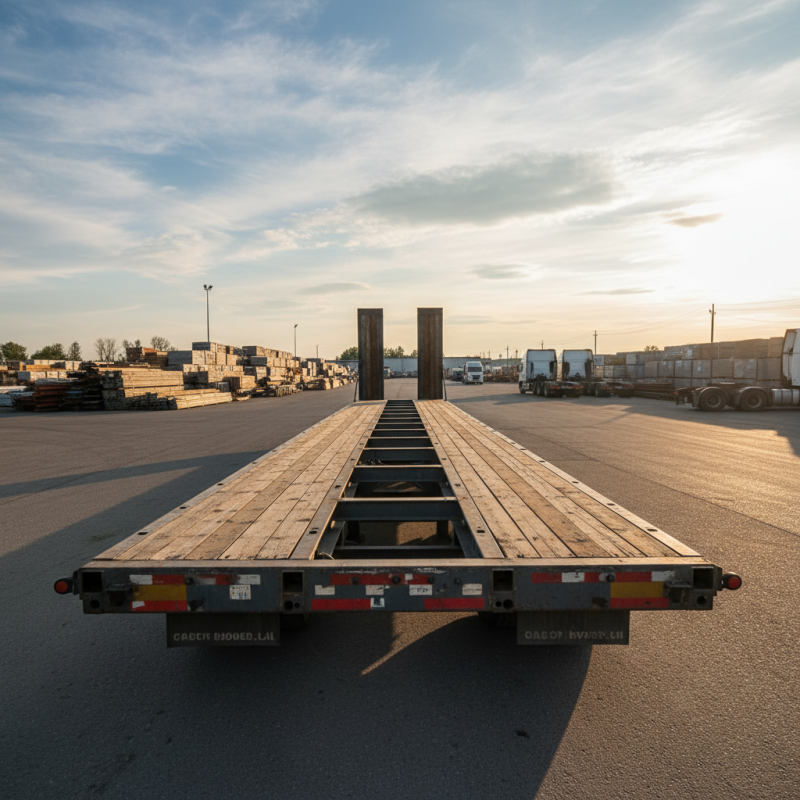
How to Choose the Right Flatbed Trailer for Your Needs?

Understanding the Different Types of Flatbed Trailers Available

When choosing a flatbed trailer, understanding the different types is crucial. There are several options available, each suited for specific hauling needs. A standard flatbed is versatile and can handle a variety of loads. It has no side walls, allowing for easy loading and unloading. Yet, it may require additional securing methods for smaller items.

An extendable flatbed trailer is useful for oversized loads. With the ability to stretch, it accommodates longer items like pipes or lumber. However, it might be more challenging to maneuver in tight spaces. Consider this type if your work involves frequently transporting large materials.

Another type is the lowboy trailer. This design is ideal for heavy machinery. Its lower deck allows for better stability and lower center of gravity. This trailer can handle substantial weight but might not be suitable for regular street use. Reflecting on these options can guide you to the right choice for your needs. Each type has advantages and challenges, and weighing them is key to effective transportation.

How to Choose the Right Flatbed Trailer for Your Needs?

Trailer Type Load Capacity Length Axles Best For
Standard Flatbed 48,000 lbs 48-53 ft 2-3 General freight
Lowboy Trailer 40,000-60,000 lbs 20-30 ft 2-3 Heavy equipment
Step Deck Trailer 45,000 lbs 48-53 ft 2 Tall freight
Flatbed with Sides 30,000 lbs 48-53 ft 2-3 Lumber, pallets
Belly Dump Trailer 32,000 lbs 30-40 ft 2-3 Gravel, sand

Assessing Your Load Capacity and Weight Requirements

When choosing a flatbed trailer, understanding your load capacity is crucial. Flatbed trailers have various weight ratings, typically ranging from 3,000 to 30,000 pounds. According to industry reports, about 35% of trailer users underestimate their weight needs. This can lead to safety hazards and financial losses.

Consider the type of cargo you'll transport. Heavy machinery requires a trailer with a higher weight rating. Taking accurate measurements of your equipment is essential. Many trailers also come with specific load limits. Ensure these match your requirements.

Tips: Always check local regulations. Some regions have specific weight restrictions. Periodically assess your trailer’s condition. Regular maintenance ensures safety and reliability. Understanding these factors can prevent costly mistakes. Investing time in assessing your weight needs pays off in the long run.

Evaluating Trailer Material: Steel vs. Aluminum vs. Other Options

When selecting a flatbed trailer, the material is a crucial factor. The two primary materials are steel and aluminum. Steel is known for its strength and durability. It can handle heavy loads, but it may be prone to rust if not properly maintained. According to a 2022 industry report, steel trailers can last around 10-15 years with good care. However, they require regular inspections to prevent corrosion.

Aluminum, on the other hand, is lightweight and resistant to rust. This material can improve fuel efficiency, especially for long hauls. While aluminum trailers tend to be more expensive, they often provide a longer life span—up to 20 years or more in some cases. A report from the National Trailer Manufacturing Association reveals that aluminum trailers have gained popularity due to their longevity and lower maintenance costs.

Tips: Consider your usage. If your loads are heavy and frequent, steel might be the right fit. For lighter, longer trips, aluminum could save you money on fuel. Weigh the upfront costs against long-term maintenance. Your choice impacts performance and overall costs. Always assess your operational needs carefully before deciding.

Considering Trailer Size and Dimensions for Your Transport Needs

Choosing the right flatbed trailer for your transport needs can be challenging. Size and dimensions are critical factors. A flatbed trailer that is too small will restrict your load options. Conversely, a trailer that is excessively large may lead to inefficiencies and increased costs.

Consider the types of goods you frequently transport. Long, bulky items may require an extended trailer. Width is another concern; confirm your load can fit securely. Take into account the height as well; ensure it meets regulations and your storage capabilities. The weight capacity is equally important. A trailer must support both the weight of the cargo and its own structure.

Many users overlook the importance of precise measurements. Not all items fit neatly on trailers, which could lead to complications. Some trailers cause issues with stability and balance, especially when loaded improperly. Measure twice and choose wisely. Your investment will pay off in efficiency and safety, as well as peace of mind during transportation.

Exploring Key Features and Accessories for Flatbed Trailers

When exploring flatbed trailers, the key features and accessories can significantly enhance functionality. Flatbed trailers often vary in size, weight capacity, and design. According to industry reports, approximately 40% of businesses prioritize weight capacity when selecting a trailer. A 7,000-pound weight rating is common for light-duty models, while heavy-duty options can handle over 20,000 pounds.

Accessories also play a crucial role in maximizing usability. Options like removable side rails and tie-down points make securing loads easier. Reports show that using proper load straps can reduce cargo shifts by up to 50%, indicating their importance. Additionally, brake systems adapted for various terrains can significantly impact safety and performance. Many owners neglect the inspection of these features, which can lead to operational issues. Thoughtful consideration of features can save time and reduce costs over the trailer's lifespan.

Moreover, payload versatility is a vital aspect that should not be overlooked. Adjustable hitches, for instance, allow different towing vehicles to connect efficiently. However, many users fail to recognize the necessity of matching trailer dimensions to intended loads. This oversight can result in increased wear and tear. Taking these factors into account will lead to better-informed decisions when purchasing or upgrading a flatbed trailer.

FAQS

: What are the main materials used for flatbed trailers?

: The primary materials are steel and aluminum. Each has distinct advantages.

How long can a steel trailer last?

With good maintenance, steel trailers typically last around 10-15 years.

What is a downside of using steel trailers?

Steel can rust if not maintained properly, which requires regular inspections.

How does aluminum compare to steel in terms of weight?

Aluminum is much lighter, making it an excellent choice for fuel efficiency on long hauls.

Why might aluminum trailers be more popular?

Aluminum trailers can last over 20 years and have lower maintenance costs.

What should I consider regarding trailer size?

Ensure the trailer size matches your loads. Too small or too large can create issues.

How can improper loading affect trailer performance?

Improper loading may cause stability and balance problems, leading to safety risks.

What is the importance of precise measurements when choosing a trailer?

Accurate measurements prevent complications and ensure your cargo fits securely on the trailer.

What should I assess before deciding on a trailer?

Consider your operational needs and how the trailer will impact performance and costs.

What can happen if I ignore the dimensions of my load?

Neglecting dimensions can lead to inefficiencies and potential safety hazards during transport.

Conclusion

When selecting the right flatbed trailer for your needs, it's essential to understand the various types available in the market. Different trailers cater to specific purposes, so assessing your load capacity and weight requirements is a crucial first step. This ensures that you choose a trailer that can safely transport your cargo without exceeding its limits.

Additionally, evaluating the material of the flatbed trailer, whether steel, aluminum, or other options, can impact durability and maintenance. Considering the size and dimensions based on your transport needs will help optimize your operations. Finally, exploring key features and accessories can enhance functionality and safety, making your flatbed trailer a vital asset for efficient transportation.

Madeline

Madeline

Madeline is a dedicated marketing professional with a wealth of expertise in our company's core offerings. With a keen understanding of the industry, she brings a unique perspective to her role, consistently delivering high-quality content that highlights the superior aspects of our products. As......