
Transporting heavy equipment safely and efficiently is crucial in various industries. Low Bed Trailers play a vital role in meeting these needs. According to a report from the Heavy Equipment Transport Association, the demand for Low Bed Trailers has surged by 30% over the past three years, highlighting their importance in heavy equipment transportation.
Industry expert John Thompson, a leading figure in transport solutions, states, “Low Bed Trailers provide the stability and safety necessary for transporting oversized loads.” This emphasizes the value these trailers bring to businesses that rely on heavy machinery. They offer a lower center of gravity, which reduces the risk of toppling during transit.
However, not all Low Bed Trailers are created equal. Reliability can vary significantly among different manufacturers. It's essential to choose a trailer that meets specific load requirements and adheres to safety standards. One should consider factors like the trailer's construction, weight capacity, and features tailored for heavy loads. With the increasing demands, assessing these factors critically can ensure safe and efficient transport of heavy equipment.
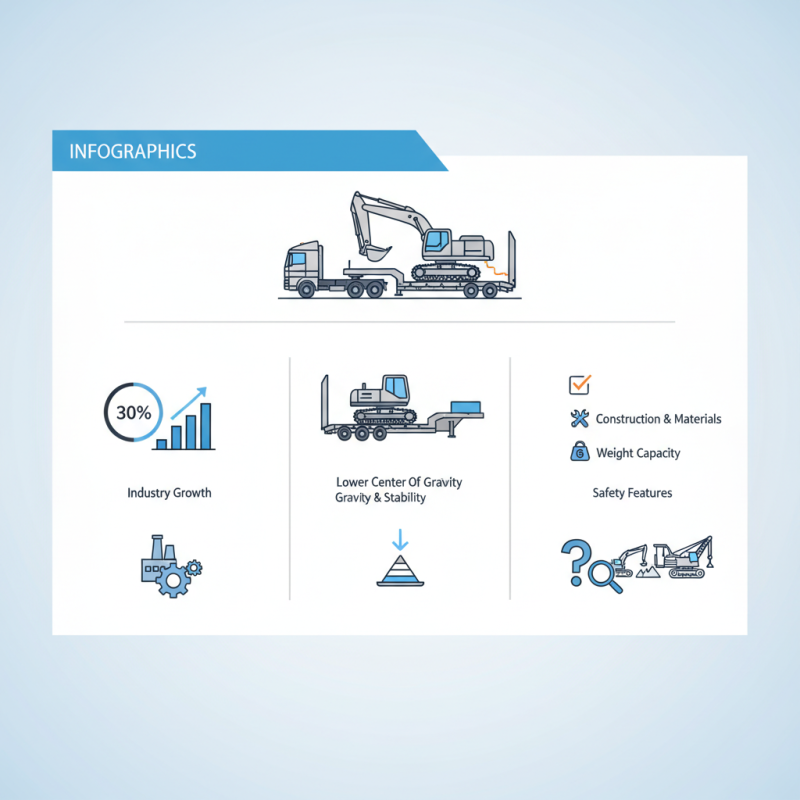
Low bed trailers are essential for transporting heavy equipment safely. Their unique design lowers the deck height, providing better stability during transport. This feature allows for easier loading and unloading of oversized machinery. Such trailers typically have a flat, powerful structure that can support heavy loads without compromising safety.
When selecting a low bed trailer, consider the weight capacity. Ensure it matches your equipment needs. Additionally, check the trailer’s overall dimensions. Some trailers are better suited for specific types of equipment. You might overlook the importance of a proper hitch system. A secure connection is vital for safety on the road.
**Tip:** Always inspect the trailer before loading. Look for any wear and tear. This can prevent accidents and ensure a smooth transport process. Another useful tip is to plan your route in advance. Some roads may have restrictions for heavy vehicles. Consider the terrain and any possible obstacles. Taking time to plan can save you from unexpected challenges.
When selecting a low bed trailer, consider the load capacity first. The weight of the equipment determines the appropriate trailer type. Look for a model with a capacity exceeding the equipment's weight. This creates a safety margin during transport. Low bed trailers often have a lower center of gravity, making them ideal for transporting heavy machinery.
Next, examine the trailer's construction materials. Steel frames offer strength and longevity. Aluminum trailers are lightweight and can reduce fuel costs. The choice between materials depends on usage frequency and type of loads. Additionally, consider the deck length and width. A longer deck can accommodate larger machinery, while the right width ensures stable transport.
Brakes are another crucial feature. Hydraulic or air brakes provide different stopping power. A brake system that matches the trailer's weight capacity is vital for safety. Don’t forget about the trailer's suspension system. It absorbs shock and ensures a smooth ride for the load. These factors aid in planning efficient transport routes while minimizing equipment damage.
When it comes to transporting heavy equipment, choosing the right low bed trailer is crucial. Several brands offer robust models suitable for various transport needs. Look for trailers that feature high load capacities and lower decks for stability. The right design ensures that your equipment is safe during transit.
One important aspect to consider is the dimensions. Ensure that the trailer is compatible with your machinery size. A mismatched trailer can lead to unsafe conditions. Additionally, check the weight ratings. Exceeding these can cause damage or accidents. Reflecting on the specific requirements of your equipment will guide you in selecting the ideal trailer.
Tip: Regular maintenance is key. Inspecting tires and brakes can prevent costly breakdowns. Consider the materials used in trailer construction. Robust materials enhance durability, especially under heavy loads. Always engage with knowledgeable suppliers who can provide insights about the best options in the market. They can offer advice tailored to your transport needs.
When using low bed trailers for transporting heavy equipment, safety considerations are paramount. The low height of these trailers offers stability, but improper loading can lead to accidents. Each load should be evenly distributed to avoid tipping or swaying during transport. Consider the weight limits specified for the trailer. Overloading can compress the suspension, potentially causing structural failure.
Ensure you are using proper tie-down techniques. Ratchet straps or chains should be used to secure loads tightly. Inspect all lashing points before washing the trailer. A quick visual check can save a lot of trouble later. Weather conditions must also be assessed. Rain or snow can affect traction and increase the risk of accidents. Implementing reflective markers can enhance visibility during low light conditions, contributing to overall safety.
Driver training is crucial. Operators should be familiar with the handling characteristics of low bed trailers. They need to practice maneuvering in tight spaces and understanding braking distances. Even experienced drivers can benefit from refresher courses. Remember, safety is a shared responsibility. Regular maintenance checks of the trailer are essential but often overlooked. Every detail counts in preventing potential mishaps.
When considering low bed trailers for heavy equipment transport, budgeting plays a crucial role. These trailers range in price based on size, weight capacity, and additional features. A common price range for decent models starts at around $25,000 and can exceed $60,000 for advanced options. This variation can be attributed to materials used and the level of customization.
It's essential to evaluate ongoing costs as well. Maintenance expenses can add up significantly over time. Regular repairs and inspections can cost around 5-10% of the initial purchase price each year. Fuel efficiency is another factor; heavier loads generally require more fuel, increasing transport costs. Buyers should also factor in financing and insurance costs, which can impact the overall budget.
Planning ahead is necessary, yet many overlook hidden fees. These might include registration and tax obligations that vary by region. It's also worthwhile to consider the resale value potential. Some buyers find themselves stuck with trailers that depreciate quickly. This can lead to financial strain when upgrading. A well-researched investment can save money in the long run, despite the initial high costs.
This chart presents a cost comparison of five different low bed trailers suitable for heavy equipment transport. The prices are estimated averages that can help in budgeting for your transportation needs.
: Start with the load capacity. The trailer must exceed the equipment's weight for safety.
Steel frames provide strength. Aluminum reduces weight and fuel costs. Choose based on use frequency.
A longer deck accommodates larger machinery. Width ensures stable transport.
Hydraulic or air brakes match the trailer’s weight. Safety relies on an appropriate brake system.
A good suspension system absorbs shocks. This ensures a smoother ride and protects the load.
Compare dimensions with your equipment. Mismatched sizes can create unsafe transport conditions.
Regularly inspect tires and brakes. This prevents breakdowns and additional costs.
Choose robust materials for construction. They withstand heavy loads better and last longer.
Knowledgeable suppliers can provide tailored advice. They help you find the best options for your needs.
Exceeding weight ratings can lead to equipment damage and accidents. Always stay within limits.
Low Bed Trailers are essential for transporting heavy equipment due to their unique design, which allows for a lower center of gravity and increased stability. When considering a Low Bed Trailer, it is important to focus on key features such as load capacity, deck length, and ramp accessibility to ensure that the chosen model meets specific transport needs.
Safety is paramount when operating Low Bed Trailers; drivers should be well-trained and adhere to safety protocols to prevent accidents. Additionally, budgeting for a Low Bed Trailer involves analyzing initial costs as well as maintenance expenses, ensuring that the investment aligns with your operational budget. By considering these factors, you can effectively select the right Low Bed Trailer for your heavy equipment transport requirements.

Shodailer